
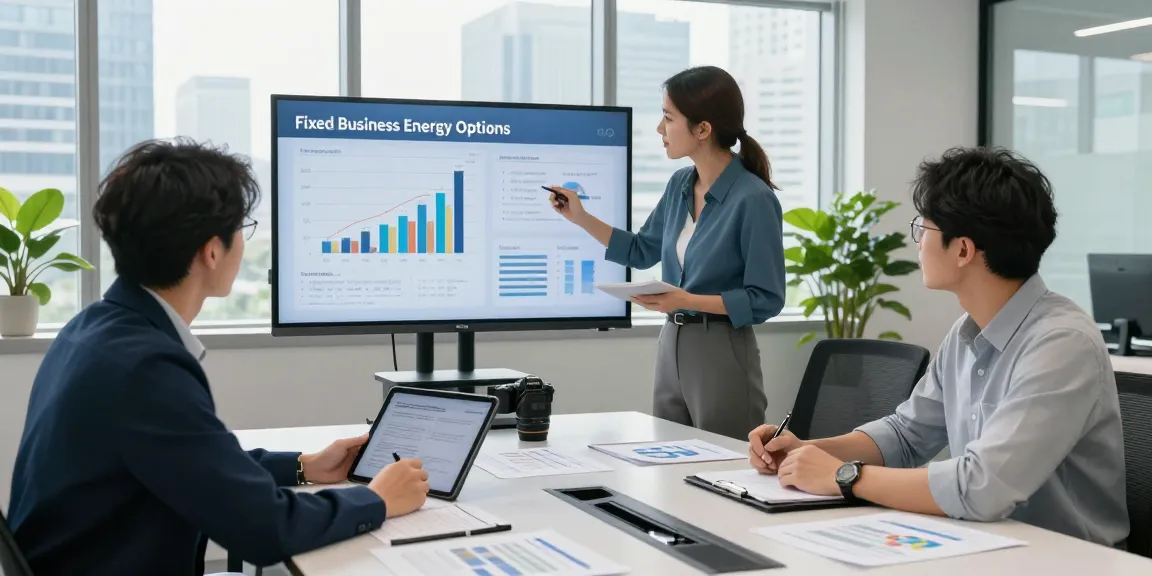

Understanding Fixed Business Energy
When it comes to managing business expenses, few costs loom larger than energy bills. In 2026, with fluctuating market prices and a complex landscape of energy suppliers, securing a stable energy cost is crucial for businesses of all sizes. This is where fixed business energy comes into play, offering a way to lock in costs and maintain budget predictability. This guide will explore the fundamentals of fixed business energy, examining its advantages, contract types, and strategies for obtaining the best rates in today’s market.
What is Fixed Business Energy?
Fixed business energy contracts allow companies to secure a set price per kilowatt-hour (kWh) for their electricity or gas supply over a predetermined period, typically ranging from one to three years. By locking in rates, businesses can protect themselves from volatile market fluctuations that could otherwise lead to higher costs. In essence, fixed business energy serves as a form of insurance against rising energy prices, providing stability when navigating the uncertainties of the energy market.
How Fixed Rates Stabilize Costs
One of the primary benefits of a fixed-rate energy contract is its ability to stabilize costs. With a fixed-rate plan, the price remains unchanged throughout the contract duration, allowing businesses to budget with confidence. This predictability is especially important for industries with tight profit margins, where unexpected expenses can significantly impact the bottom line. Additionally, businesses can plan their finances more effectively without worrying about sudden price spikes that often accompany variable rate plans.
Key Benefits for Businesses in 2026
- Budget Certainty: Fixed rates provide a clear understanding of monthly energy costs, making it easier to forecast and manage overall expenditures.
- Protection Against Market Volatility: By locking in rates, businesses shield themselves from unpredictable market changes that can drive prices up.
- Potential for Cost Savings: For many businesses, fixed-rate contracts can lead to substantial savings, particularly for those currently on deemed rates, which tend to be significantly higher.
- Simplicity in Management: With a fixed contract, businesses can avoid the hassle of constant price comparisons, allowing them to focus on core operations rather than energy procurement.
Identifying the Right Business Energy Contract
Choosing the appropriate business energy contract is crucial for any organization seeking to optimize its energy costs. This section delves into the various types of fixed business energy contracts available, guidelines for determining your energy requirements, and how to compare tariffs effectively.
Different Types of Fixed Business Energy Contracts
There are several types of fixed business energy contracts, each catering to different business needs:
- Standard Fixed Tariff: This is the most common type, where businesses lock in a rate for a specified term, typically 12 to 36 months.
- Green Fixed Tariff: An environmentally friendly option, these contracts source electricity from renewable energy sources while maintaining a fixed price.
- Variable Fixed Tariff: Some contracts offer a base fixed rate with the possibility of adjusting based on market conditions; however, this type can carry more risk.
- Pass-Through Contracts: These contracts pass through the wholesale market price plus a fixed margin, which can be beneficial if the market price is stable.
How to Evaluate Your Energy Needs
Before selecting a fixed-rate plan, businesses should assess their energy requirements carefully. Important factors to consider include:
- Annual Consumption: Understanding how much energy your business uses annually will help identify the most beneficial contract.
- Peak Demand: Knowing your peak demand can influence what type of meter and contract structure best fits your needs.
- Usage Patterns: Businesses with predictable energy usage can benefit significantly from fixed-rate contracts.
- Meter Type: Ensure you understand whether your business operates with a half-hourly meter or a standard meter, as this affects pricing and tariff flexibility.
Comparing Tariffs by Usage and Meter Type
When comparing fixed business energy contracts, it is essential to align your tariff options with your specific energy usage and meter type. Fixed tariffs can vary greatly based on whether your business is classified as high-usage, medium-usage, or low-usage, as well as based on the characteristics of your meter. For example, larger businesses might gain access to more competitive rates than smaller operations, particularly if they can provide half-hourly metering data that reflects their actual consumption patterns.
Steps to Secure the Best Fixed Rates
Securing the best fixed rates involves a strategic approach. By following a well-defined process, businesses can optimize their energy procurement and negotiate better deals.
How to Initiate a Business Energy Comparison
The first step in finding the right fixed business energy contract is conducting a thorough comparison of available options. Use the following process to initiate your comparison:
- Gather Usage Data: Collect recent energy bills and usage history to understand your consumption patterns.
- Utilize Energy Brokers: Engaging an energy broker can provide access to a broader range of tariffs and potential savings.
- Compare Multiple Suppliers: Look for quotes from various suppliers, as rates can vary significantly across the market.
Negotiation Tactics for Better Deals
Once you have gathered your options, negotiating for better rates can be advantageous:
- Leverage Market Knowledge: Understanding current market trends can empower you during negotiations.
- Build Relationships: Cultivating relationships with suppliers and brokers may lead to exclusive offers or improved terms.
- Be Open to Bundling: Consider bundling gas and electricity for potential savings and a simplified billing process.
Understanding Contract Terms and Conditions
Before finalizing any contract, ensure that you comprehend all associated terms and conditions:
- Exit Fees: Know whether there are any penalties for early termination of the contract.
- Renewal Terms: Understand how your contract will renew at the end of the term and what options you have.
- Deemed Rates Policy: Clarify what happens if you miss the deadline to renew or switch suppliers, as these rates can be significantly higher.
Common Misconceptions About Fixed Energy Rates
There are several myths surrounding fixed energy contracts that can mislead business owners. Addressing these misconceptions is crucial for making informed decisions.
Debunking Myths Surrounding Fixed Energy Contracts
One prevalent myth is that fixed contracts are always the cheapest option. While they offer budget certainty, they may not always provide the lowest rates at the outset. It’s essential to compare them against variable contracts to determine what suits your business best. Additionally, some believe that switching suppliers will involve lengthy processes and interruptions; however, most transitions can occur smoothly and quickly when managed correctly.
The Truth About Deemed Rates
Another common misconception is that deemed rates are a viable option for energy procurement. In reality, deemed rates are often the highest prices businesses pay when no contract is in place. Understanding how to avoid these rates by ensuring timely contract renewals can save significant costs.
Why Flexibility Isn’t Always Better
While flexible energy contracts may seem appealing due to their potential for lower rates, they carry inherent risks. Businesses that opt for flexibility must be prepared to manage the associated market fluctuations actively, which may not be feasible for all operations. In many cases, the stability of a fixed contract proves to be the more prudent choice.
Future Trends in Fixed Business Energy
As we look towards the future, several trends are expected to influence fixed business energy contracts:
Expected Changes in Pricing Structures by 2026
The energy market is evolving, and we anticipate shifts in pricing structures due to advancements in technology and regulatory changes. These changes may introduce new competitive dynamics, offering businesses more choices and potentially lowering costs for fixed contracts.
Emerging Technologies in Energy Management
Emerging technologies such as smart meters and energy management software are set to transform how businesses manage their energy consumption. By utilizing these tools, organizations can gather more accurate data, optimize their usage, and ultimately secure better rates when negotiating fixed contracts.
Strategies for Adapting to Market Fluctuations
As market conditions change, businesses must remain agile. Adapting procurement strategies, staying informed about market trends, and being proactive in contract negotiations will help organizations navigate fluctuations and secure the best possible deals in fixed business energy.
What are the advantages of fixed business energy contracts?
Fixed business energy contracts offer several advantages, including budget stability, protection from market volatility, and the ability to plan for future costs with certainty.
How can I switch to a fixed business energy contract?
To switch to a fixed business energy contract, start by comparing available rates, gathering your usage data, and consulting with an energy broker if necessary to find the best option for your business.
What to look for when comparing energy prices?
When comparing energy prices, consider the unit rates, standing charges, contract length, exit fees, and the supplier’s reputation for customer service.
Are there any risks associated with fixed energy contracts?
While fixed energy contracts minimize risks related to price fluctuations, businesses may face penalties for early termination or be stuck in unfavorable terms if market conditions change dramatically.
How often should I review my business energy plan?
It’s advisable to review your business energy plan at least annually or when approaching the end of your contract to ensure you secure the best rates and terms available in a changing energy landscape.